Oshkosh Next Generation Delivery Vehicle Prototype Review
A concise review of Oshkosh Next Generation Delivery Vehicle Prototype, with sourced details on fleet availability; electric powertrain; cargo and safety.
How this review was built: Vehicle facts come from the records listed below. Instrumented figures are presented as results from the listed source.
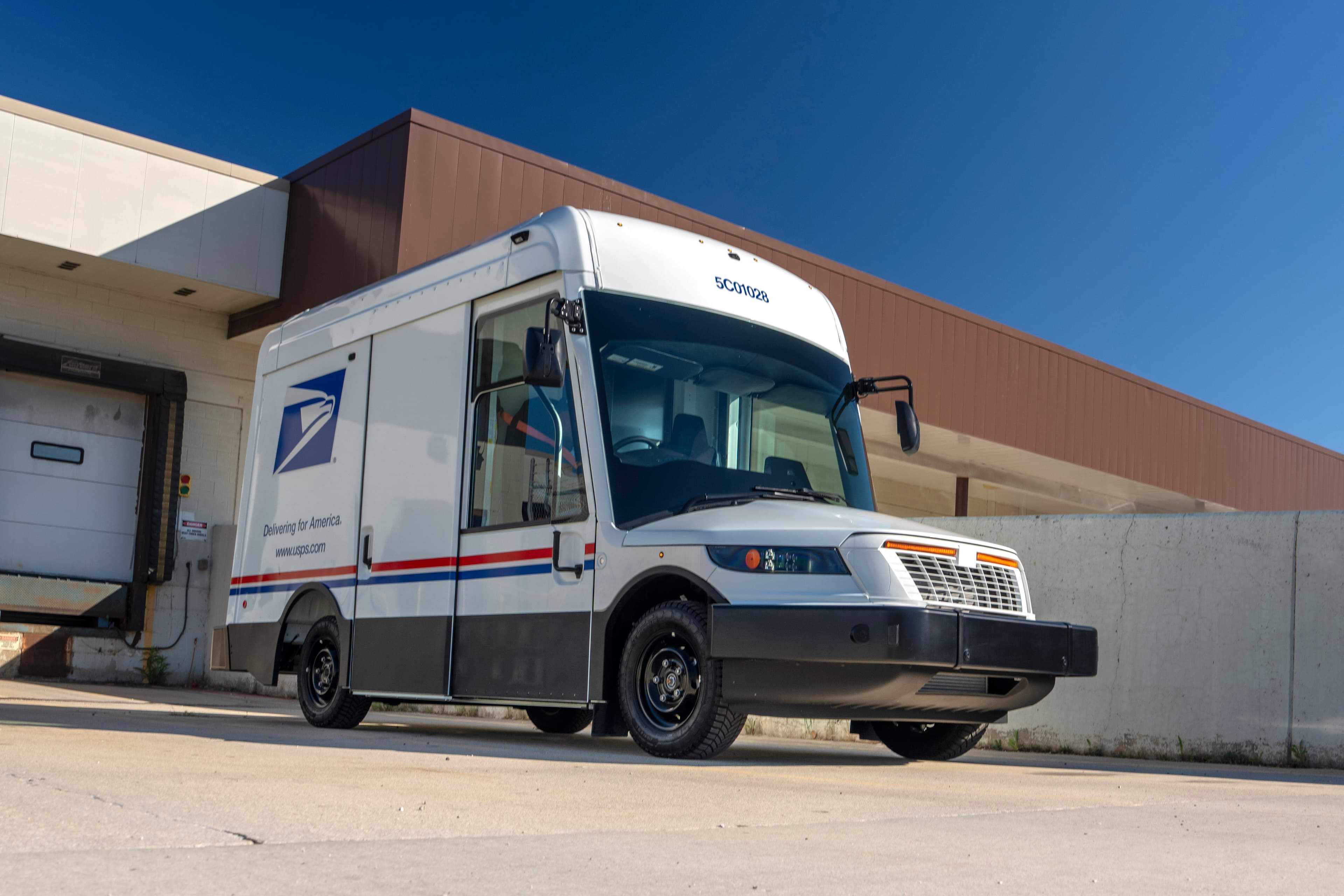
Overview
Oshkosh Next Generation Delivery Vehicle Prototype appears in the published record as a purpose-built delivery van for the USPS fleet market. The most relevant evidence concerns fleet availability; electric powertrain; cargo and safety.
Fleet Availability
Published reporting indicates that about 70 percent of the USPS initial NGDV order was planned as battery electric, with the remainder using a turbocharged gasoline engine for longer or more demanding routes.
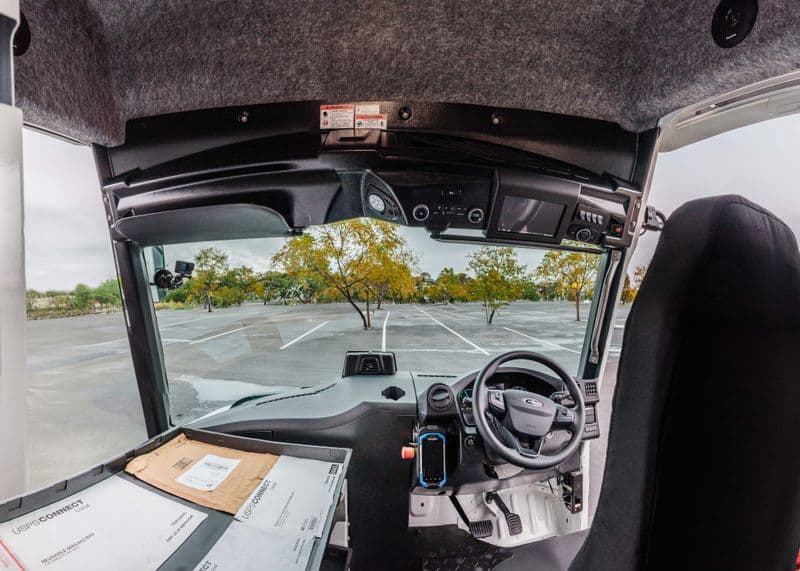
Electric Powertrain
The prototype battery-electric NGDV is described with a 94-kWh battery, a 201-hp front motor, and roughly 120 miles of range based on EPA documents.
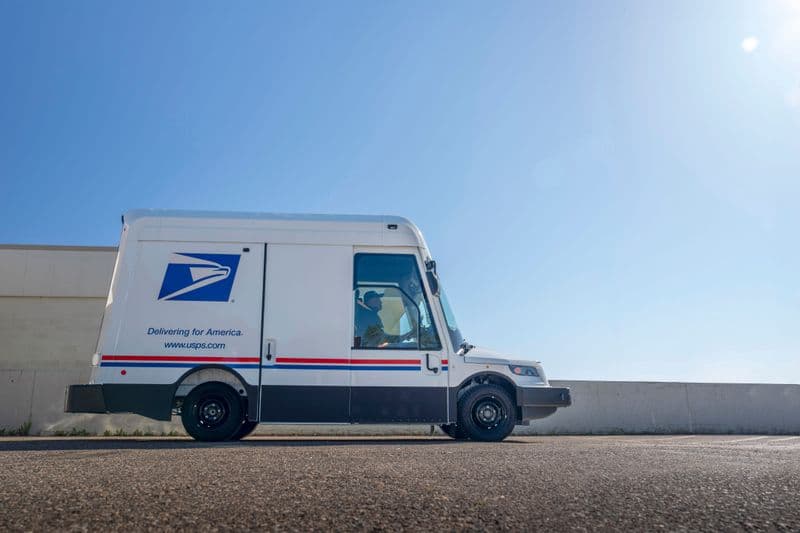
Cargo and Safety
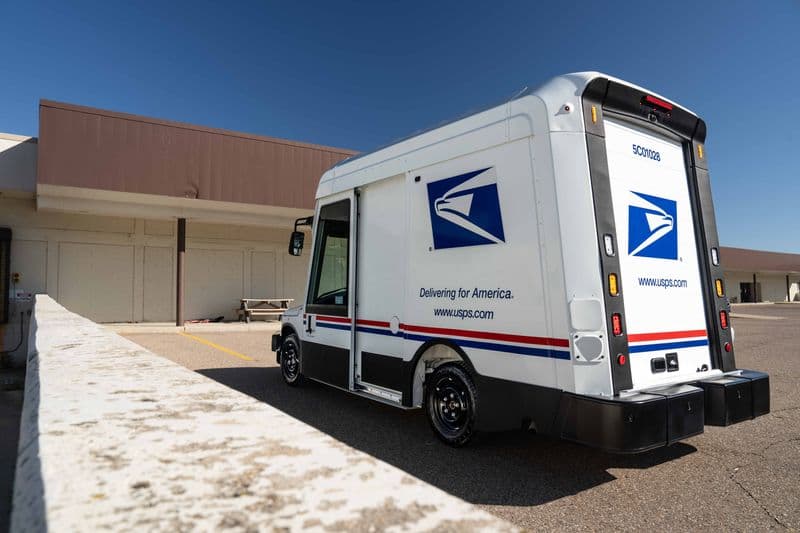
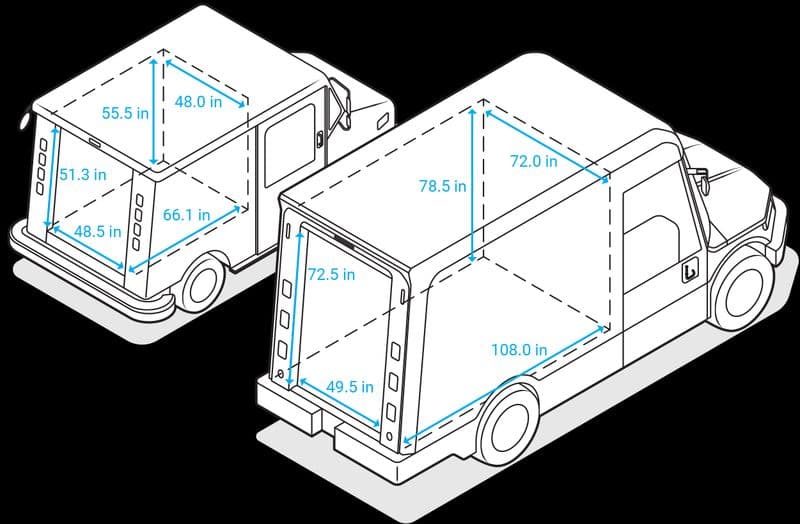
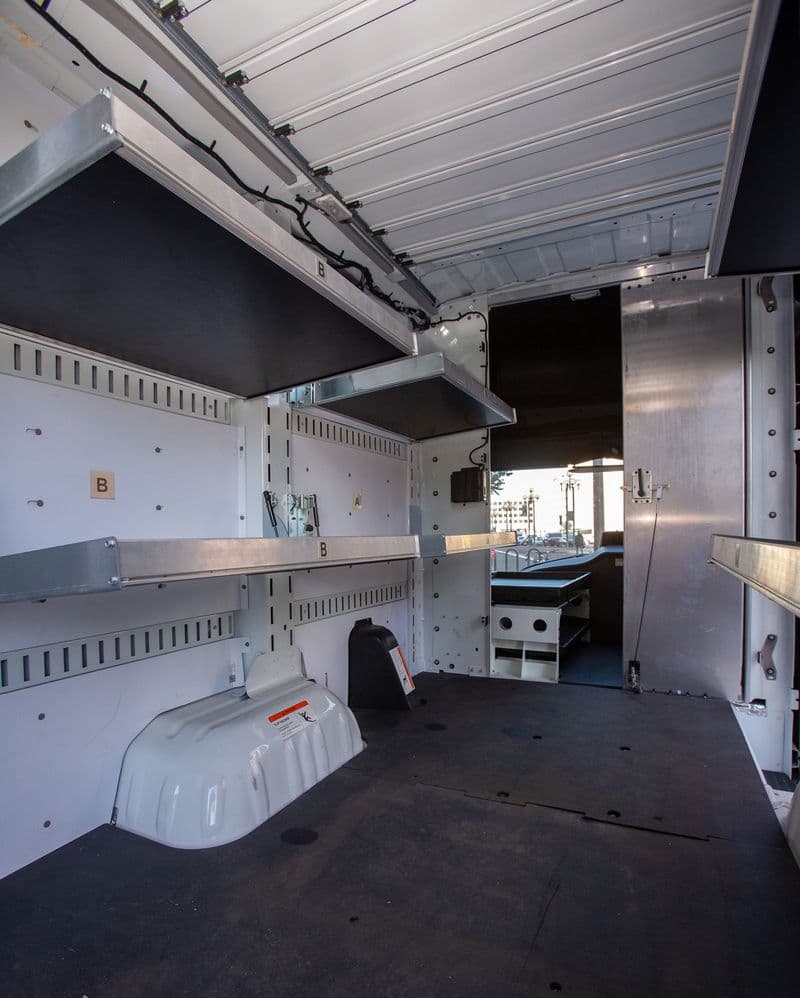
Published specifications list a 330-cubic-foot cargo bay, a 2,000-pound payload rating, air conditioning, a high-resolution backup camera, rear-pedestrian alert, and automatic braking.
What the Evidence Adds
Taken as a configuration-specific record, fleet availability; electric powertrain; cargo and safety provide the useful detail that a whole-line vehicle page cannot show on its own.
Review Scope
This review centers on the configuration and market identified above. The full vehicle page remains the reference for complete trim pricing and official specifications.
Buyer Context
Claims and early estimates are useful for orientation, but a purchase comparison should use final specifications for the same trim and market.
Evidence Summary
Oshkosh Next Generation Delivery Vehicle Prototype can be compared most reliably through fleet availability; electric powertrain; cargo and safety. Check the exact configuration behind each published figure.
source-checked · as of Jul 21, 2026
Discussion entries
This discussion combines editorially generated viewpoints with comments submitted by readers.